
Municipal Services
Medical Professional Recruitment & Retention
- Created: Thursday, 03 September 2026 10:31
Build Your Career and Your Life in Barrington
Practise where your work matters
The Municipality of Barrington offers physicians and healthcare professionals the opportunity to build a rewarding career in a welcoming rural community on Nova Scotia’s beautiful southwest coast.Here, healthcare is personal. Professionals get to know their patients, work closely with colleagues and make a visible difference in the community. Whether you are looking to establish a family practice, join a collaborative care team, complete a medical placement or explore another healthcare career, Barrington offers meaningful professional opportunities and an exceptional place to call home.
Meet Barrington
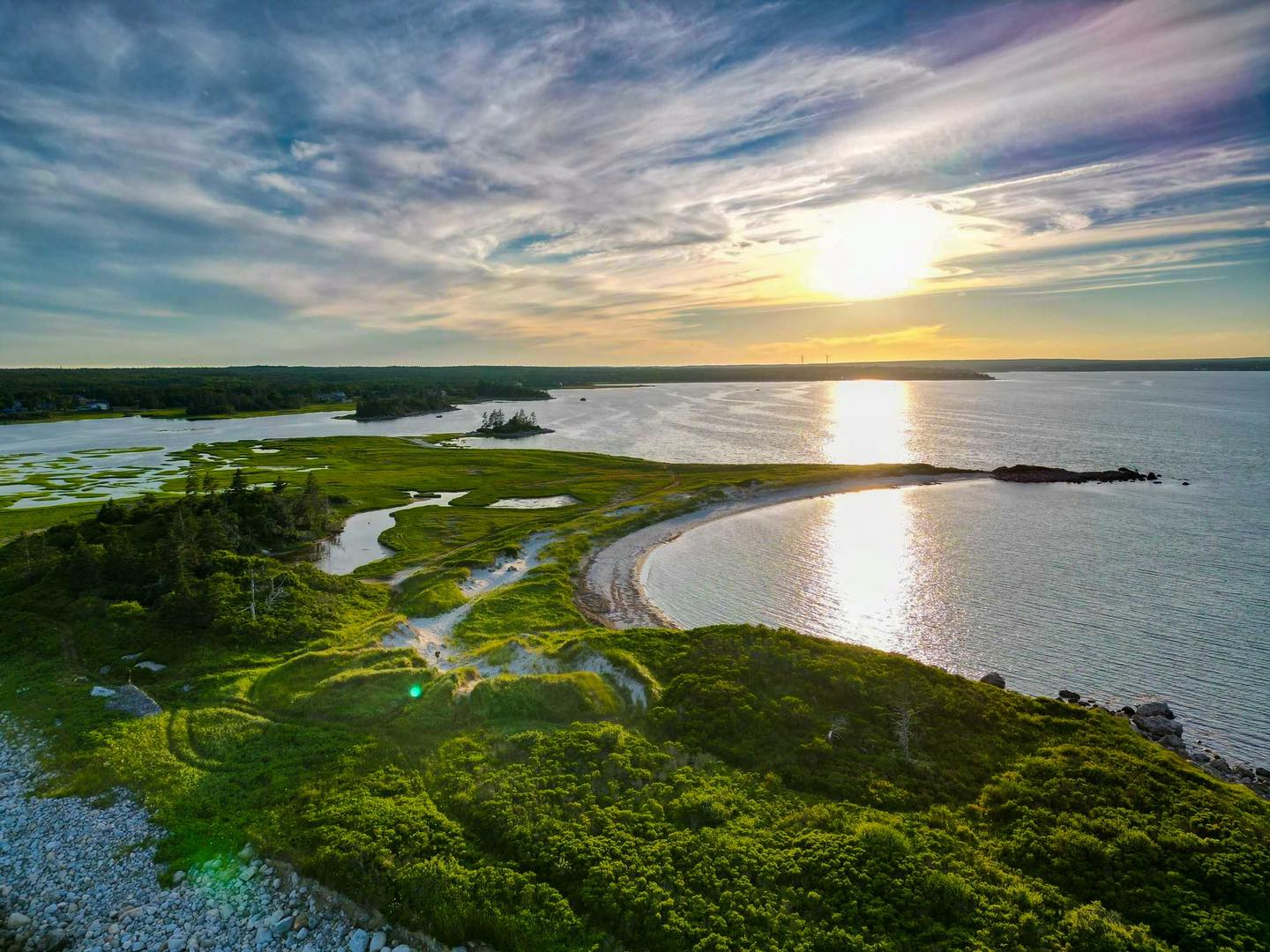
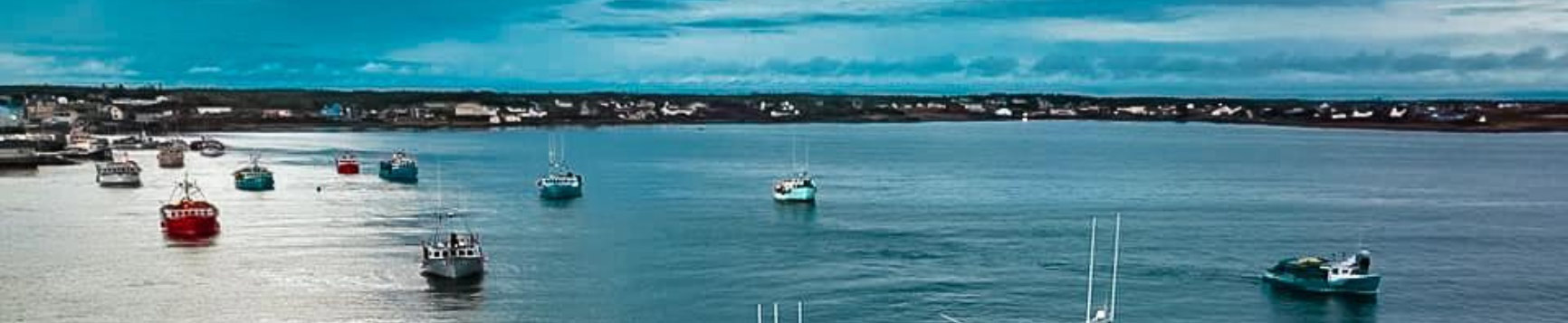
The Municipality is a collection of close-knit coastal communities known for our natural beauty, strong community spirit and proud connection to the sea. As the Lobster Capital of Canada, it offers a lifestyle shaped by working waterfronts, quiet beaches, outdoor recreation and a rich maritime heritage.
Living and working here means:
- A welcoming and supportive community
- Short commutes and a relaxed pace of life
- Access to beaches, trails, boating and other outdoor activities
- Affordable housing compared with many larger centres
- Recreation, schools, community organizations and amenities for individuals and families
- The opportunity to create lasting relationships with patients and neighbours
In the Municipality, you can build a career that matters without giving up the time and space to enjoy life outside of work.
Healthcare in Our Community
The Municipality is already home to dedicated physicians, nurse practitioners, nurses, pharmacists, mental health and addictions professionals, continuing-care providers and other healthcare workers who care for residents throughout the area.
The community includes family medicine practices, pharmacies, dental services, home and continuing-care supports and the Barrington Community Health Clinic. The clinic is home to a variety of Nova Scotia Health services, including primary healthcare and blood collection.
Local healthcare providers are supported by regional services available through:
- Roseway Hospital in Shelburne
- Yarmouth Regional Hospital in Yarmouth
- Bay Side Home, a long-term care facility in Barrington
- VON and other home and community-care providers
- Regional emergency, diagnostic, specialist and allied health services
This combination of local and regional care gives healthcare professionals opportunities to collaborate across disciplines while remaining closely connected to the people they serve. Current local provider and facility information is available on the Municipality’s Health Services page.
Investing in the Future of Rural Healthcare
The Municipality recognizes that access to healthcare is essential to the long-term well-being and sustainability of our communities.
As part of that commitment, the Municipality is considering the development of a new community health centre. The project is being explored as a way to provide modern, welcoming and functional space for healthcare delivery and to support the recruitment and retention of physicians and other healthcare professionals.
Planning is still underway, and the Municipality is considering how a new facility could respond to the needs of healthcare providers, patients and the broader community. Updates will be shared as the project moves forward.
Regional Recruitment, Local Support
The Municipality of Barrington is a proud partner in the Yarmouth & Area Medical Partnership, working alongside neighbouring municipalities, Nova Scotia Health, healthcare organizations, community groups and local businesses to attract and retain physicians and medical learners throughout southwestern Nova Scotia.
The Partnership helps prospective and newly arrived physicians learn about practice opportunities, explore the region and make connections within the medical and wider communities.
A dedicated Community Navigator provides personalized support to physicians, medical learners and their families. This can include help with:
- Arranging a community visit
- Exploring communities and housing options
- Finding schools, childcare and community services
- Introducing spouses or partners to employment and business networks
- Connecting with local healthcare professionals
- Becoming involved in community life
- Navigating the transition to living and working in the region
The goal is not simply to recruit healthcare professionals—it is to help them and their families feel welcomed, supported and at home.
See Yourself in Barrington
Discover what it is like to live, work and provide care in the Municipality of Barrington.
This video was produced with support from the Office of Healthcare Professionals Recruitment Community Fund. We are grateful for this assistance and for the contributions of the local healthcare professionals, residents and community partners who helped tell the Municipality's story.
Come for a Visit
Choosing where to practise is about more than finding the right position. It is also about finding the right community.
Prospective physicians, medical learners and healthcare professionals are invited to experience the Municipality firsthand. Meet members of the local healthcare community, tour available facilities, explore our communities and discover what life on Nova Scotia’s southwest coast could look like for you and your family.
Our regional Community Navigator can help arrange a personalized visit and connect you with the people and information you need.
Let’s Start a Conversation
If you are a physician, medical learner or healthcare professional interested in the Municipality, we would be pleased to hear from you.
Community Navigator
Charlene d’Entremont
Yarmouth & Area Medical Partnership
Email:
Phone: 902-307-3066
Municipality of the District of Barrington
E-mail:
Phone: 902-637-2015
Toll-free: 1-877-815-7809
Useful Links
Explore Practice Opportunities
View Nova Scotia Healthcare Opportunities
Water Supply Upgrade Lending Program
- Created: Thursday, 09 October 2025 16:27
The Municipality offers a Water Supply Upgrade Lending Program to help property owners improve or establish reliable water sources on their properties.
Launched in 2017, this program allows owners of qualifying properties within the municipality to apply for financing through the Municipality to complete approved water supply upgrades.
Eligible projects may include:
- Construction of a new dug or drilled well
- Upgrades to existing wells to improve water sourcing
- Installation of cisterns or fog water collection systems
- Greywater collection or other approved water conservation and storage systems
These upgrades aim to ensure residents have safe and dependable water access while encouraging sustainable water use.
For more information about the Water Supply Upgrade Lending Program or to learn how to apply, you can view our bylaw here: https://barringtonmunicipality.com/2721-by-law-no-37-water-supply-upgrade-lending-program/file or contact the municipal office at 902-637-2015.
Snow and Ice Clearing and Maintenance
- Created: Wednesday, 03 September 2025 12:49
The Municipality of Barrington has a Snow and Ice Clearing and Maintenance By-law (By-law No. 41) to help keep our roads, sidewalks, and critical infrastructure safe and clear during the winter months.
This by-law explains what property owners are responsible for, what the Municipality can do when problems occur, and what the penalties are for not following the rules.
This by-law is important because it helps keep our community safe and accessible during the winter months. By making sure snow and ice are not pushed onto municipal roads, sidewalks, or wastewater lift stations, it reduces dangerous conditions for drivers and pedestrians, prevents accidents, and ensures sidewalks remain usable. It also allows emergency vehicles and municipal crews to do their work without being blocked, which is especially critical during storms.
Property Owner Responsibilities
- Do not push or place snow and ice from your driveway, yard, or private road onto municipal roads, sidewalks, or wastewater lift station doors.
- Keep sidewalks safe by avoiding snow or ice buildup. Icicles on eaves and gutters should not be allowed to become a hazard to pedestrians.
- If snow or ice from your property ends up on a municipal road or sidewalk, you will be asked to remove it. If it isn’t cleared, the Municipality may remove it and charge the costs back to you.
Parking During Winter Maintenance
- Vehicles cannot be parked or left on municipal roads in a way that blocks or slows down snowplows and winter maintenance crews.
- If a vehicle is in the way, the owner will be asked to move it.
- If the vehicle is not moved, or if the owner cannot be contacted, it may be towed and impounded at the owner’s expense.
- In urgent situations, vehicles may be towed without notice.
Sidewalk Closures
If sidewalks become unsafe because of snow or ice, the Municipality may temporarily close them until conditions improve.